
Warm Homes Plan highlights underfloor heating’s role in cutting bills and supporting low-carbon homes, say experts
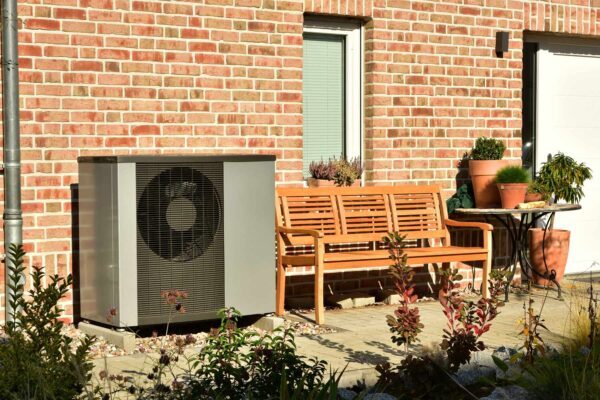
As the UK Government sets out its Warm Homes Plan to improve energy efficiency in millions of homes, Amber Underfloor Heating say the policy shift highlights a pivotal opportunity for the low-temperature heating systems that work seamlessly with renewable technologies such as heat pumps and solar panels.
The Warm Homes Plan provides £15bn in funding for energy-efficiency upgrades to help tackle rising energy bills. This includes the installation of heat pumps and solar panels for households across the UK.
While underfloor heating is not included in the funding for this plan, Amber say its performance and compatibility with these energy-efficient technologies make it the ideal addition to the retrofit and upgrade programmes covered by the Warm Homes Plan.
“The Warm Homes Plan is an exciting step towards reducing energy bills and supporting our future-ready, low-carbon homes. Low-temperature heating systems, like underfloor heating, can help households make the most of these upgrades to renewable energy and energy-efficient technologies” says Steven Rooney, Director of Amber Underfloor Heating.
Amber explain that wet (hydronic) underfloor heating and heat pumps are the ideal heating partnership for many buildings. By running at lower temperatures – typically 30–45°C – the heating system operates more efficiently, and therefore more cost effectively, while also delivering evenly distributed, comfortable warmth throughout a home.
The company also outlines that both wet and electric underfloor heating systems can be effectively integrated into homes with solar panels for a low-carbon heating system which helps reduce energy bills.
“Underfloor heating works exceptionally well alongside solar panels. By maximising the use of self-generated electricity to power energy-efficient underfloor heating, households can further reduce carbon emissions and keep energy bills down” adds Steven.
Amber state that retrofitting homes for future-proofing isn’t just about one technology – it’s about how systems work together.
They say that the systems-based approach to home upgrades – combining renewable energy, efficient heat generation and low-temperature heating solutions – is key to delivering long-term results when it comes to cutting bills and delivering low-carbon homes, rather than just short-term fixes.
“The Warm Homes Plan marks an important step towards a more joined-up approach to energy efficiency. But, to get the best outcome, the actual heating system needs to be considered alongside heat generation. Underfloor heating is vital in making low-carbon technologies work harder and smarter for our future homes, and we’re looking forward to playing a key role in this” concludes Steven.
With more than 35 years’ experience supporting retail, Amber provide wet and electric underfloor heating systems that integrate seamlessly with heat pumps and solar panels.
For more information about Amber, visit: www.amberufh.co.uk/
Related Articles
Why stockists should choose electric underfloor heating
Most builders, property developers and builders’ merchants will have already encountered the fast-rising demand for electric underfloor heating. Homeowners...

Amber Underfloor Heating launch new industry-leading decoupling membrane
Leading suppliers of underfloor heating systems to the retail sector – Amber – have announced the launch of a...

